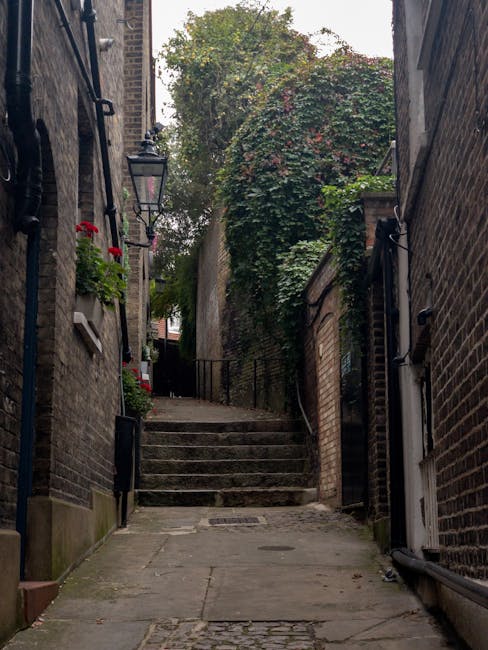
Narrow Staircase Removals Challenges Sutherland Avenue Maida Vale

Moving through a narrow staircase sounds simple until you are standing in the hallway with a sofa that will not turn, a wardrobe that brushes both walls, and a landing that seems to shrink every time you look at it. That is the reality of Narrow Staircase Removals Challenges Sutherland Avenue Maida Vale: a move that demands patience, planning, and a bit of practical nerve. In Maida Vale, especially around Sutherland Avenue, period buildings, compact access routes, and tight internal stairs can turn an ordinary removal into a careful piece of logistics. The good news? With the right approach, it is absolutely manageable.
This guide breaks down the real-world issues, the best methods, and the mistakes worth avoiding. You will also find a checklist, a comparison table, and a realistic example so you can judge what makes sense for your own move. Let's make the tricky bits feel a lot less tricky.
Why Narrow Staircase Removals Challenges Sutherland Avenue Maida Vale Matters
Narrow staircases change almost everything about a move. On paper, you are just relocating furniture and boxes from one address to another. In practice, you are working around tight turns, limited headroom, awkward banisters, fragile walls, shared entrances, and the ever-present risk of scuffs or damage. Around Sutherland Avenue, that matters even more because many homes are in older London buildings where stair width, ceiling angles, and access routes were never designed for modern oversized furniture.
Why does this matter so much? Because a mistake on a staircase is rarely small. A clipped wall can mean repair costs. A misjudged turn can trap a sofa halfway up the stairs. A rushed lift can strain a back or nick a handrail. And if the item is valuable, such as a piano or a solid wood cabinet, the stakes go up quickly. In our experience, the difference between a calm move and a stressful one usually comes down to preparation rather than strength.
There is also a time factor. Narrow access slows the whole job down. Even a simple move can take longer when every item needs planning before it leaves the room. That affects vehicle scheduling, labour, parking coordination, and sometimes neighbour relations too. If you are moving out of a flat or townhouse near Sutherland Avenue, it is worth treating staircase access as a core part of the move, not an afterthought.
Expert summary: narrow-stair removals are less about carrying power and more about control, timing, and protecting the property on both sides of the move.
If you want a broader sense of local moving conditions, you may also find it useful to read about Warwick Avenue station access tips for removals in Maida Vale and the wider Maida Vale neighbourhood from a local point of view.
How Narrow Staircase Removals Challenges Sutherland Avenue Maida Vale Works
Handling a move in a narrow staircase building starts long before the first box is lifted. The working method usually follows a sequence: assess the access, measure the problem items, decide what can safely travel through the stairwell, and then choose the right equipment and team size. Sounds straightforward. It is, but only if every step is taken seriously.
The first task is a proper access check. A good mover will look at stair width, landing size, handrails, ceiling clearance, and turning space at each corner. They will also note whether there are split-level landings, low lighting, or obstructions like radiators or wall-mounted fittings. In some Sutherland Avenue properties, the staircase is technically usable, but only if large items are tipped, rotated, or carried in a very specific order. That is where experience matters.
Next comes item assessment. Not every item is equally difficult. A narrow fridge, a mattress, and a modular shelving unit all behave differently on stairs. Heavy but compact items may need more people. Light but oversized items may need dismantling. Fragile items may need extra wrapping or a different route altogether. This is one reason a specialist approach is usually more reliable than trying to improvise on the day.
Then comes route planning. The crew may decide that some items will go via the staircase while others should be moved through a window, balcony, or alternative access point if available. That is not always necessary, of course, but it is sometimes the neatest solution when the stairwell is simply too tight. The decision depends on property layout, risk level, and what is physically possible without damage.
Finally, the move itself needs coordination. One person leads, another supports the rear or base, and communication has to stay clear. Quiet, simple commands matter here: stop, lift, tilt, rotate, pause. It may seem a bit old school, but that calm structure prevents panicked movements. And yes, it can feel slow at first. But slow is often the safest speed.
For customers comparing service types, the broader range of options in our services overview can help you decide whether you need a full removal team or something more targeted, like a man and van in Maida Vale or a dedicated removal van service.
Key Benefits and Practical Advantages
It may sound odd to talk about benefits when the topic is a narrow staircase, but there are real advantages to tackling the challenge properly. The most obvious one is property protection. If items are measured, wrapped, and moved with care, you reduce the chance of scratches, dents, cracked plaster, or damage to bannisters and treads.
There is also a planning benefit. A good staircase strategy can prevent delays on moving day. That matters if you have lift restrictions, parking windows, or a fixed handover time. In London, those time pressures can snowball quickly. A careful approach keeps the day from drifting into chaos, which, let's face it, is exactly what nobody wants.
Another practical advantage is reduced physical strain. Narrow stairs demand awkward angles, and awkward angles are where injuries happen. Using the right lifting technique, two-person control, and sensible equipment reduces the load on everyone involved. That is not just about comfort; it is about avoiding setbacks that can ruin the rest of the day.
There is also a financial angle. Although specialist stair removals can look more expensive at first glance, they often save money by preventing damage, speeding up the overall move, and avoiding emergency solutions. It is a classic case of value over false economy. If you want to explore this side of things more broadly, have a look at the real cost of removals in Maida Vale and how to avoid hidden charges in removal quotes.
- Better protection for walls, floors, and railings
- Less risk of strain or injury
- More predictable timing on moving day
- Improved handling of valuable or awkward furniture
- Fewer surprises when the property has older dimensions
Who This Is For and When It Makes Sense
This kind of move is especially relevant if you live in a flat, maisonette, converted townhouse, or older terrace property in and around Sutherland Avenue. It also makes sense if your home contains bulky furniture, delicate items, or anything awkwardly shaped. A sofa that looks manageable in a living room can become a completely different object once it reaches a narrow stairwell. Funny how that works.
It is also a strong fit for people moving under time pressure. If you are trying to complete a same-day move, fit around building access restrictions, or coordinate with landlords and cleaners, you do not want last-minute surprises on the stairs. In those cases, a specialist team can save a great deal of stress. If your timetable is tight, the detail in same-day removals availability in Maida Vale may be useful.
Students, renters, families, and small businesses all have different needs, but the same access problem can affect each of them. A student move may involve lots of small boxes and one oversized desk. A family move may include beds, wardrobes, and white goods. An office move may involve filing cabinets, printers, and meeting-room furniture. If any of those have to pass through tight stairs, the process needs a plan rather than optimism.
And if there is a piano involved, do not treat that as a standard furniture move. A piano deserves its own method, its own handling, and quite possibly its own team. You can see how that is approached in piano removals in Maida Vale.
Step-by-Step Guidance
Here is a practical way to approach a narrow staircase removal without turning the day into a scramble.
- Walk the route first. Check the stairs, landings, doors, and entrance path before moving a single item. Note any weak points, low ceilings, or awkward bends.
- Measure the large items. Height, width, depth, and the shape of handles or legs all matter. A wardrobe with removable doors is much easier to plan than a fixed one.
- Decide what should be dismantled. Beds, tables, shelving, and some wardrobes often move better in pieces. Keep screws and fittings labelled so reassembly is not a headache later.
- Protect the property. Use floor runners, corner protectors, blankets, and wrap for exposed edges. This is where a little preparation pays for itself.
- Assign a clear order. Move the easiest and most fragile items first only if that protects the route. Sometimes bulky items should go first while the stairwell is still clear.
- Communicate every lift. The person leading the item should control the pace. Nobody should guess what happens next.
- Keep a fallback route in mind. If a piece will not clear the stairs safely, stop and reassess. Forcing it is rarely the answer.
One practical point people miss: pack the move in an order that matches the access challenge. If the staircase is tight, do not leave the hardest item until you are tired and rushing. Put that item near the front of the schedule when everyone is fresh and the route is still protected.
If you are still building your plan, you may also want to review packing and boxes advice for Maida Vale so the smaller items are organised before the bigger furniture starts moving.
Expert Tips for Better Results
In our experience, the best staircase moves rely on small decisions made early. A few sensible habits make a big difference.
First, measure twice and move once. It sounds obvious, but people often measure the item and forget the stairwell. You need both. Measure the width of the narrowest point, the landing depth, and the turning space around corners. A tape measure is cheap. A damaged wall is not.
Second, keep the route empty. Shoes, hall tables, bikes, and storage baskets can create just enough clutter to turn a difficult move into a dangerous one. Clear it all before the team arrives. The same goes for loose cables and slippery mats. Simple, but easy to forget.
Third, do not underestimate weight distribution. A piece may look light enough, but if the weight sits awkwardly, it can twist in the stairwell and put strain on the lifters. This is especially true with mirrored furniture, which can be deceptive in the hand.
Fourth, use the right number of people. Too few people and the lift becomes risky. Too many and the stairwell becomes crowded. Balance matters. The aim is control, not a small crowd on the landing trying to be helpful.
Fifth, protect touch points. Corners, handles, and legs are usually the first parts to get caught. Wrap them before moving, not after.
A small but useful habit: pause before each tight turn. Just one second. It gives everyone a chance to reset grip and angle. That tiny pause can prevent a noisy, expensive scrape. Honestly, it is one of those boring habits that saves the day.
Common Mistakes to Avoid
There are a few repeat offenders when it comes to staircase removals.
Trying to force oversized items. If it does not fit cleanly, do not keep pushing. The item may need dismantling, pivoting, or a different route. Forcing it usually creates more damage than progress.
Ignoring the landing shape. Many moves fail not on the staircase itself but at the corner or landing. People look at the steps and forget the turn. It happens all the time.
Underpacking fragile items. Even if the stairwell is short, the movement is jerky and repetitive. Delicate items need real protection, not just a bit of bubble wrap and hope.
Not checking building rules. Some properties have access windows, shared corridor expectations, or quiet-hour considerations. If you are in a managed building, confirm those details in advance. It saves awkward conversations on move day.
Leaving all the heavy lifting to one person. That is a fast route to strain and poor control. Proper removals are teamwork, simple as that.
Not planning for the exit as well as the entry. Getting the item downstairs is only half the job. Getting it out of the building and to the van cleanly matters just as much.
For people comparing moving support, it is worth reading about removal services in Maida Vale and the local differences between man with van and broader removal companies in Maida Vale.
Tools, Resources and Recommendations
A narrow staircase move is a lot easier when the right tools are on hand. Nothing fancy, just practical kit that improves grip, protection, and control.
- Furniture blankets for protecting surfaces and frames
- Straps and lifting aids for controlling weight more evenly
- Gloves with grip for safer handling
- Floor runners to protect hallways and steps
- Corner protectors for walls and bannisters
- Labels and bags for fittings if dismantling furniture
- Tape measure for the stairwell and the item itself
- Torches or brighter lighting for dim staircases
There are also service-related resources that can help you plan more effectively. If you need short-term holding space because the access problem affects move timing, then storage in Maida Vale may be a sensible bridge. If you are moving smaller loads, a man with a van can be a practical fit. For larger household moves, house removals in Maida Vale may offer the fuller support you need.
It is also worth reviewing the company's approach to safety and care. Look at insurance and safety information and the health and safety policy so you understand how risk is handled. That kind of reassurance matters, especially when stair access is tight and the margin for error is small.
Law, Compliance, Standards, or Best Practice
For staircase removals, the key point is not complicated law so much as sensible, defensible practice. In the UK, moving work should be carried out with care for property, workers, and anyone else who might be affected. That means proper manual handling, reasonable lifting methods, and an honest assessment of whether an item can be moved safely.
Good practice usually includes clear communication, suitable equipment, and stopping when a lift becomes unsafe. If a stairwell is too narrow for an item, the professional response is to reassess rather than gamble. That may mean dismantling furniture, changing the route, using extra protectors, or choosing a different loading method.
For the customer, it helps to ask a few practical questions before booking: Is the route likely to require dismantling? Will the team bring protection for floors and walls? What happens if the item cannot safely fit through the stairwell? Those are fair questions. Not awkward. Fair.
You may also want to read the company pages that explain policy and process more generally, such as terms and conditions, privacy policy, and payment and security. If something ever goes wrong, knowing the complaints procedure and the broader about us page can help you judge how the business operates.
Options, Methods, or Comparison Table
Different access challenges call for different moving methods. Here is a simple comparison to help you think it through.
| Method | Best for | Pros | Watch-outs |
|---|---|---|---|
| Standard stair carry | Boxes, smaller furniture, manageable items | Simple, quick, cost-effective | Can be risky if the route is tighter than expected |
| Dismantle and reassemble | Wardrobes, tables, beds, shelving | Makes awkward items far easier to move | Needs time, tools, and organised fittings |
| Extra-protected stair move | Valuable or delicate furniture | Reduces wall and surface damage | Takes longer and may need more crew |
| Alternative access approach | Items that will not safely clear the staircase | Avoids forcing impossible turns | Depends on property layout and feasibility |
There is no one-size-fits-all answer. A compact move may only need careful stair handling. A larger household move may benefit from a mixed method: some dismantling, some stair carrying, and some storage if timing is awkward. If you are moving a workspace, office removals in Maida Vale can bring another layer of planning, especially where desks, monitors, and archive units are involved.
Case Study or Real-World Example
Here is a realistic example based on the kind of job these staircases create. A couple moving from a first-floor flat off Sutherland Avenue had a three-seat sofa, a double mattress, a dining table, and a tall bookcase. On first look, the staircase seemed workable. But once the crew measured the landing and checked the turn near the top, it became clear the sofa would need a very careful tilt, and the bookcase would be easier if its shelves and backing were removed first.
Rather than pushing everything through as a single pass, the move was broken into stages. The sofa went first while the team was fresh and the hall was protected. The bookcase was dismantled on site, wrapped, and carried down in parts. The mattress was straightforward but still needed two people because the stairwell was narrow enough that control mattered more than speed. Nothing dramatic happened, which is exactly what you want. A slightly dull move is usually a successful move.
What made the difference? Preparation. The residents had cleared the hallway, labelled fittings, and confirmed that a parking spot would be available close enough to avoid unnecessary carrying. That small amount of forethought saved time and reduced stress. The whole thing finished neatly, and the walls stayed intact. Not glamorous, but very satisfying.
If you are moving from a local estate or similar building, the broader planning advice in this moving checklist for Maida Vale W9 estates can help you avoid the usual last-minute scramble.
Practical Checklist
Use this checklist before move day. It keeps the narrow staircase issue in the foreground, where it belongs.
- Measure the staircase width, landings, and tightest turns
- Measure every bulky item, including handles and legs
- Decide which items should be dismantled
- Remove clutter from hallways and landings
- Protect floors, bannisters, and corners
- Label screws, fittings, and small parts
- Confirm parking and access timing
- Check if the building has any move restrictions
- Set aside fragile items for separate handling
- Have a backup plan if one item will not fit safely
- Keep water, phone charge, and basic tools to hand
Quick reminder: the stairwell is not the place to discover whether something fits. Discover that earlier, while you still have options.
Conclusion
Narrow staircase removals on Sutherland Avenue are a very normal London problem, but they need a careful answer. Measure the route, plan the order, protect the property, and choose the right method for each item. That is the practical core of it. The more awkward the staircase, the more valuable preparation becomes. And in Maida Vale, where older homes often hide these little access puzzles behind elegant fronts, a calm and methodical approach usually wins.
If you are weighing up your options, look for a team that understands local access, takes safety seriously, and explains the process clearly. That combination makes all the difference when the stairs are tight and the clock is ticking.
Get a free quote today and see how much you can save.
Sometimes the best move is the one that feels unremarkable while it is happening. Boxes down, furniture protected, no drama. Quietly done, properly done.
Frequently Asked Questions
What makes narrow staircase removals in Sutherland Avenue so difficult?
The main issue is space. Tight turns, small landings, older railings, and limited headroom can make large furniture hard to rotate or carry safely. The move becomes a planning exercise, not just a lifting job.
Can a sofa usually fit through a narrow Maida Vale staircase?
Sometimes yes, sometimes no. It depends on the sofa dimensions, the staircase width, and the landing space. A modular or removable-arm design is usually easier than a single rigid frame.
Do I need to dismantle furniture before a stair move?
Often, yes. Beds, tables, shelving, and wardrobes commonly move better in parts. Dismantling is often the safest and quickest way to deal with awkward access.
How do movers protect walls and bannisters during the move?
They usually use blankets, floor runners, corner protection, and careful handling. The exact protection depends on the property, but the aim is always to reduce contact and friction.
Is it safer to use more people for a narrow staircase move?
Not always more, but the right number. Too few people creates risk; too many can crowd the stairwell. The best setup is controlled, coordinated, and suited to the item being moved.
What should I measure before booking?
Measure the staircase width, landing depth, ceiling clearance, and the largest items you plan to move. Do not forget handles, feet, and any awkward protrusions.
Can a narrow staircase move be done on the same day?
It can, if the job is assessed properly and the move is not overly complex. But same-day removals work best when the access issue is already understood and the items are straightforward.
What happens if an item does not fit through the staircase?
The sensible response is to stop and reassess. That may mean dismantling the item, changing the moving method, or using another route if the property allows it.
Are narrow staircase removals more expensive?
They can be, because they often take longer and need more care. Even so, the cost is usually better understood as value for risk reduction, rather than a simple extra charge.
Do I need special insurance for this kind of move?
Not usually on your side, but it is wise to check the mover's insurance and safety approach. If you are moving valuable items or unusually awkward furniture, that reassurance matters.
Are there any building rules I should check first?
Yes. Managed buildings, flats, and converted properties may have access times, shared hallway expectations, or move-day rules. It is better to confirm these early than to negotiate them on the stairs.
What is the best way to prepare for a narrow staircase removal?
Measure the route, clear the hall, protect vulnerable surfaces, and plan which items will need dismantling. If in doubt, book a professional assessment before move day. That small step can save a lot of grief later.