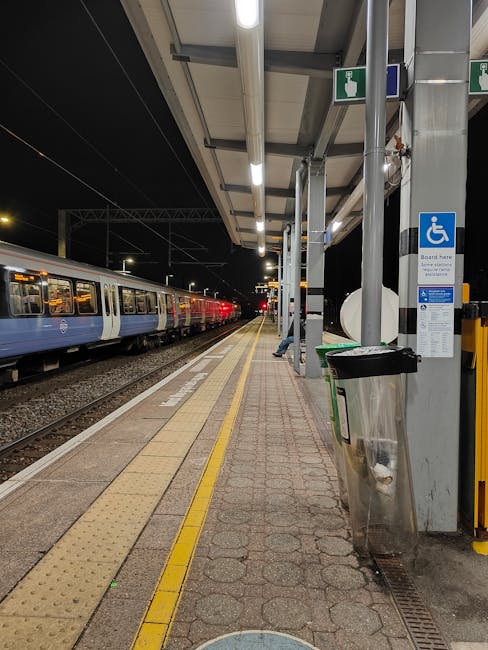
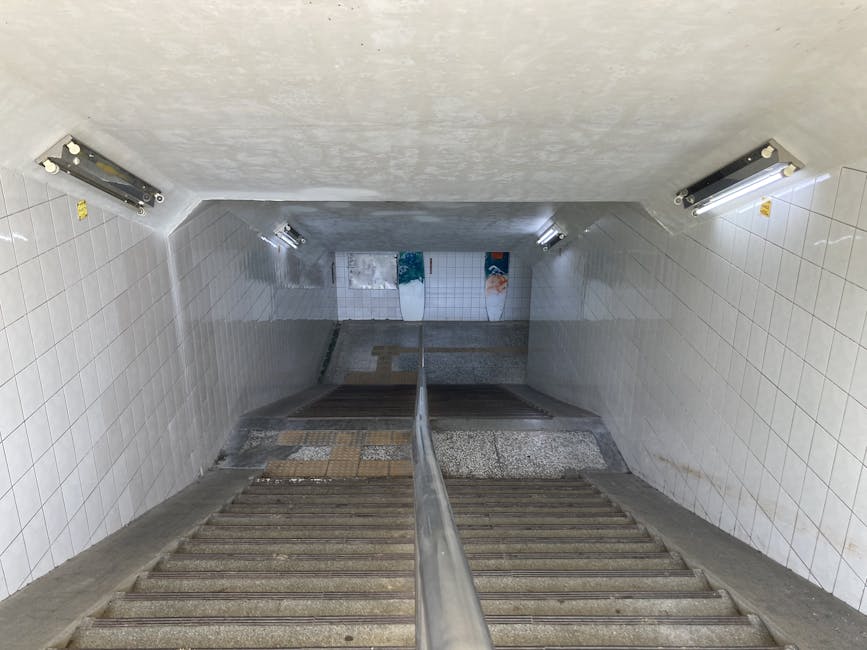
Warwick Avenue Station Access Tips for Removals Maida Vale
Moving near Warwick Avenue Station can look simple on a map, then turn into a bit of a puzzle once you are actually there with boxes, trolleys, and a van trying to fit into a tight London street. That is exactly why Warwick Avenue Station Access Tips for Removals Maida Vale matter. A well-planned route, a sensible loading approach, and a realistic idea of the station area can save time, stress, and a fair bit of back-and-forth. To be fair, most removal day problems near stations are not dramatic-they are small things that stack up fast.
This guide breaks down how to plan access around Warwick Avenue Station, what usually causes delays, who needs to think about it most, and how to make your move feel controlled rather than rushed. If you are arranging a local move, especially a flat move or furniture transport, you may also want to explore our removal services in Maida Vale, flat removals support, and furniture removals service for the kind of moving help that suits compact London streets.
Table of Contents
- Why Warwick Avenue Station Access Tips for Removals Maida Vale Matters
- How Warwick Avenue Station Access Tips for Removals Maida Vale Works
- Key Benefits and Practical Advantages
- Who This Is For and When It Makes Sense
- Step-by-Step Guidance
- Expert Tips for Better Results
- Common Mistakes to Avoid
- Tools, Resources and Recommendations
- Law, Compliance, Standards, or Best Practice
- Options, Methods, or Comparison Table
- Case Study or Real-World Example
- Practical Checklist
- Conclusion
- Frequently Asked Questions
Why Warwick Avenue Station Access Tips for Removals Maida Vale Matters
Warwick Avenue Station sits in an area where streets can feel narrow, parking can be limited, and the flow of traffic can change quickly depending on the time of day. For removals, that means access is not just a convenience issue. It is often the difference between a calm move and a stressful one.
In Maida Vale, many homes are flats, mansion blocks, converted buildings, or period properties with awkward staircases and restricted front access. A van may not be able to stop right outside for long. A lift may be shared with residents. The loading area may be busy. And if your move starts late, every small delay becomes harder to absorb. You probably know the feeling already-one missing parking space and the whole timetable starts wobbling.
Good access planning helps you:
- reduce carrying distance between the property and the vehicle
- avoid unnecessary waiting time in station-heavy traffic
- protect fragile furniture from damage during long carries
- keep neighbours and building management onside
- make better use of the removal crew's time
It also supports better quoting. A job that looks straightforward online can become more complex once access constraints are included. That is why local knowledge matters so much. If you want to understand the wider service context, our services overview is a useful starting point, and our about us page explains how we approach local moves with care.
How Warwick Avenue Station Access Tips for Removals Maida Vale Works
Access planning near Warwick Avenue Station works best when you treat the move like a short project rather than a single appointment. There are three moving parts: the property, the van, and the route between them. If any one of those is poorly thought through, the rest slows down.
In practical terms, the process usually includes:
- Checking the property access. This means stairs, lifts, narrow hallways, front steps, basement entrances, and whether the door opens easily for larger items.
- Assessing vehicle stopping space. A removal van may need a short, legal stop rather than a full parking bay. Sometimes this is manageable with precise timing; sometimes it is not.
- Planning the carry route. The walk from van to property sounds minor until you are moving a sofa in the drizzle at 8:15 a.m. On a busy station road, it can make a real difference.
- Choosing the right arrival window. Early mornings or quieter mid-morning periods are often easier than school-run, commuter, or evening peaks.
- Preparing for building rules. Some blocks require booked lift access, fob control, or prior notice to concierge staff.
That is the basic framework. The details depend on the building, the street, and the size of the move. A one-bedroom flat near the station is not the same as a family house move with wardrobes, mattresses, and garden items. If you are still choosing between service types, it may help to compare a man with van in Maida Vale with a broader removal van option. Different moves, different practicalities.
Key Benefits and Practical Advantages
The real value of access planning is not abstract. It shows up in the little things that make moving day easier.
1. Faster loading and unloading. If the van can get close, the crew can work more efficiently. Less walking means less fatigue and fewer opportunities for accidents.
2. Lower risk of damage. Long carries through busy pavements, shared entrances, or awkward stairwells are where chips and scuffs happen. Shorter routes help protect both furniture and the building.
3. Better coordination with neighbours and building managers. A move that is tidy and predictable is much less likely to cause complaints. That sounds obvious, but in real life it is often the bit people miss.
4. More accurate pricing. Quotes are easier to trust when access is honestly assessed. If access is tricky, it is better to know before the crew arrives than to negotiate under pressure.
5. Less emotional strain. Moves are already full of decision-making. Anything that trims uncertainty helps. Truth be told, a smoother arrival at the station area can make the whole day feel more manageable.
Key takeaway: access planning near Warwick Avenue Station is not just about parking. It is about making the entire removal feel orderly, safe, and realistic from the first box to the last.
Who This Is For and When It Makes Sense
This advice is especially useful if your move involves any of the following:
- a flat or apartment near Warwick Avenue Station
- a property with limited street stopping space
- heavy or delicate items such as wardrobes, mirrors, pianos, or glass furniture
- a building with controlled entry, lift booking, or concierge rules
- a same-day or tightly timed move
- student accommodation with awkward access and short deadlines
It also matters if you are moving into the area, not just out of it. New residents often underestimate how busy and compact the station surroundings can feel. By the time the van arrives, the front of the building may already be occupied by delivery vehicles or neighbours making short stops. That is not unusual around central London stations.
If your move is smaller and more flexible, a man and van service in Maida Vale may be enough. For bigger household moves, a dedicated house removals service is often the better fit. Students, in particular, may prefer the pace and price point of student removals in Maida Vale.
Step-by-Step Guidance
Here is a practical way to plan access without turning the move into a project spreadsheet from hell.
1. Map the exact pick-up and drop-off points
Do not rely on the general area name alone. Check the specific door, entrance, or loading point. A property "near Warwick Avenue Station" might actually be easier approached from one side street than another. A few extra minutes spent on this can save a lot of pacing later.
2. Measure the tricky items first
Large wardrobes, sofas, bed frames, and appliances are the items most likely to catch on corners or block doorways. Measure them before move day and compare those sizes with staircase width, lift dimensions, and hallway clearances. If you have a piano or unusually heavy item, specialist handling matters. Our piano removals page explains why a more careful plan is usually needed.
3. Check whether the van can legally stop close by
This is one of the biggest variables. A stopping point that works for a quick drop-off may not support a long loading period. If a bay or permit arrangement is required, organise it early rather than hoping for the best. Hoping is not a strategy. It is just hope.
4. Reserve lift or building access if needed
Some buildings require notice before a move. Others have service lift schedules or limits on when furniture can be moved. Ask the managing agent or concierge what is expected. Get the answer in writing if possible. Even a simple email is helpful.
5. Time the move with traffic in mind
Station areas can be awkward during commuter peaks. School runs, morning departures, and evening return traffic can all affect how easy it is to stop and unload. Early starts often work well, but not always. The best window depends on your building, your street, and how noisy you can be.
6. Prepare the route inside the property
Take up mats, protect floors if needed, and clear the corridor. The van route is only half the story. A clean path from front door to room makes the crew faster and keeps everyone safer.
7. Keep a small "first hour" box separate
This should contain the essentials: kettle, tea bags, chargers, toiletries, basic tools, and documents. The first hour matters. When you know where the kettle is, the whole day feels less chaotic.
Expert Tips for Better Results
These are the little things that experienced movers notice straight away.
- Use one person as the access contact. Too many voices at the door slows everyone down. One point of contact keeps decisions quick.
- Photograph the access route before move day. A quick picture of the entrance, steps, or parking area can help the removal team prepare properly.
- Label boxes by room and priority. If unloading is split across floors or tight spaces, clear labels stop items being shuffled around repeatedly.
- Disassemble bulky furniture early. Large items are much easier to carry through station-area properties once they are reduced to manageable sections.
- Check weather and surface conditions. Rain, slush, or leaves on steps can make a short carry less safe than it looks.
One small but useful habit: keep hand wipes or a towel near the entrance. Sounds trivial. It is not. When you are carrying furniture through a busy London street, a bit of damp or dirt can spread quickly.
If you are unsure how much packing help you need, our packing and boxes guide can help you decide whether to pack fully yourself or get support for the awkward bits.
Common Mistakes to Avoid
Most access problems are avoidable. The tricky part is that they often feel minor until move day.
- Assuming the van can park right outside. In station areas, that is often the first assumption to fail.
- Not measuring furniture properly. A sofa that fits in the lounge may still be impossible on a stair bend.
- Leaving building permissions until the last minute. If a manager needs notice, they usually mean it.
- Starting late because of "just one more thing." That one thing has a habit of becoming five things.
- Ignoring neighbours and shared spaces. Good manners go a long way in Maida Vale. People remember a considerate move.
- Choosing the wrong service size. A tiny van for a large flat move can lead to multiple trips, which sounds economical until the clock starts ticking.
Another common issue is poor communication with the removal team. If there is a narrow entrance, a basement flat, or a long walk from the nearest stopping point, say so early. Nobody enjoys surprises on a staircase.
Tools, Resources and Recommendations
You do not need fancy equipment, but a few practical tools make access management much easier.
| Tool or Resource | Why It Helps | Best Used For |
|---|---|---|
| Measuring tape | Checks furniture, doors, and lift dimensions | Planning large-item access |
| Phone camera | Captures access points, steps, and parking conditions | Sharing details with the removal team |
| Box labels and marker pens | Speeds up unloading and room placement | Organised removals |
| Furniture blankets and straps | Protects surfaces and stabilises loads | Transport and stair carries |
| Building contact details | Useful if access instructions change on the day | Flats, blocks, managed properties |
For many local moves, the best "resource" is actually experience. A team used to London streets will usually spot access problems faster than someone who only looks at square footage. If you are comparing providers, our removal companies in Maida Vale page may help you think through the service level you need, while pricing and quotes gives you a sense of how estimates are usually built.
If you need short-term holding for items while access dates or keys are being sorted, storage in Maida Vale can be a very practical bridge. Sometimes that is the difference between a rushed move and a manageable one.
Law, Compliance, Standards, or Best Practice
Access planning for removals is mostly a matter of practical best practice, but there are compliance and safety considerations to keep in mind.
First, parking and stopping rules around station areas may be enforced by the local authority or by transport-related restrictions, depending on the exact location. You should not assume that waiting in a convenient spot is allowed. If you need loading bay use, permit arrangements, or timed access, check in advance with the relevant authority or property manager.
Second, removal work should be carried out with reasonable care for safety. That means using sensible lifting techniques, keeping pathways clear, and avoiding blocked exits. If you are managing a move in a shared building, it is good practice to protect communal floors and avoid leaving items in escape routes or front halls for longer than necessary.
Third, if you are hiring a professional team, it is reasonable to expect transparent service terms, proper insurance awareness, and clear communication. You can review our insurance and safety information, health and safety policy, and terms and conditions for a better sense of what responsible service looks like.
For sustainability-minded moves, packing reuse and responsible disposal also matter. If you are clearing out old items, our recycling and sustainability page is worth a look. It is a small thing, perhaps, but it fits the way many Londoners prefer to move now-less waste, more thought.
Options, Methods, or Comparison Table
There is no single right approach for every removal near Warwick Avenue Station. The best method depends on property size, load size, timing, and how constrained the access is.
| Option | Best For | Strengths | Watch Outs |
|---|---|---|---|
| Man and van | Small flats, light loads, flexible schedules | Quick, efficient, often more cost-conscious | May not suit larger or more complex moves |
| Removal van with full service | Larger homes, furniture-heavy moves, busy access | More capacity and support | Needs better planning and timing |
| Same-day removals | Last-minute key handovers or short notice | Fast response, useful in urgent cases | Access errors are harder to fix on the day |
| Storage plus staged move | Delayed move-in dates or staggered access | Reduces pressure when timings do not line up | Requires extra coordination |
If you are still weighing the options, a smaller man with a van in Maida Vale can be ideal for a compact move. If you have a full household or bulky furniture, a more structured service may be the safer choice. The point is not to choose the biggest option. It is to choose the one that fits the access conditions honestly.
Case Study or Real-World Example
Imagine a two-bedroom flat move a short walk from Warwick Avenue Station. The property is on a narrow residential street with limited stopping space, and the building has a shared entrance plus a lift that can only take one large item at a time.
A rushed approach would be to arrive, look for parking, and hope the van can stop close enough while boxes are carried down. That usually leads to at least one of three things: delays, over-carrying, or a slightly frazzled conversation with a neighbour who was hoping to leave for work. Not ideal.
A better approach is to do the following:
- confirm the exact entrance and ask for building access instructions in advance
- book the move for a quieter window rather than commuter peak
- pre-pack room by room and separate bulky furniture for priority loading
- keep the lift free where possible and avoid using the main corridor as a storage point
- prepare a short carry route from the likely van stop to the entrance
That kind of planning sounds simple, and honestly it is. But simple is not the same as obvious. In real moves, the difference often comes from this sort of unglamorous groundwork. A calm fifteen minutes at the start can save an hour later.
For people in similar homes, our flat removals page is a useful next stop, especially if your move involves shared entrances, stairs, or tight internal access.
Practical Checklist
Use this checklist in the days before moving.
- Confirm the full pick-up and drop-off addresses.
- Check whether the street near Warwick Avenue Station has stopping or parking limits.
- Measure the largest furniture items.
- Measure the stairwell, doorway, and lift if relevant.
- Ask the building manager about move-in and move-out rules.
- Book lift access if the building requires it.
- Set aside boxes for essentials and valuables.
- Label every box clearly by room.
- Protect fragile items with proper wrapping.
- Tell the removal team about anything awkward: steps, low ceilings, basement access, locked gates.
- Keep a mobile phone charged and ready on the day.
- Have payment, keys, and contact details ready.
Quick sanity check: if you cannot clearly explain the access to someone unfamiliar with the property, it probably needs one more review.
For direct help with planning, timing, or getting the right service match, you can always contact our Maida Vale removals team. A short conversation early on tends to remove a lot of guesswork.
Get a free quote today and see how much you can save.
Conclusion
Warwick Avenue Station access is one of those moving-day details that looks small until it suddenly becomes the main event. The good news is that it is very manageable with a bit of planning. Measure the awkward items, check the street access, confirm building rules, and choose a removal setup that matches the reality on the ground-not the ideal version in your head.
That is really the heart of it. A smart move around Warwick Avenue Station is not about brute force. It is about timing, clarity, and making sensible choices before the van arrives. If you do that, the whole day tends to feel steadier, quieter, and a lot less frantic.
And once the boxes are in and the kettle is on, you will be glad you took the time to get it right.
Frequently Asked Questions
Can a removal van stop near Warwick Avenue Station?
Sometimes, yes, but it depends on the exact street, time of day, and any local parking or loading restrictions. It is best not to assume a close stop is guaranteed. Check the access in advance and give your removal team the exact location details.
What is the best time of day for removals in Maida Vale?
Quieter mid-morning or early daytime windows often work well, but the best time depends on your property, building rules, and nearby traffic. Around station areas, avoiding commuter peaks can make access easier.
Do I need to tell my building manager before moving?
In many flats and managed buildings, yes. Some require notice, lift booking, or specific moving hours. It is a good idea to confirm this early so you do not run into avoidable delays on the day.
How do I know if my furniture will fit through the entrance?
Measure the widest and tallest parts of the furniture, then compare those measurements with the doorway, hallway, and stairwell space. If an item is particularly large or awkward, disassembly may be needed.
What if parking is too limited near my property?
If parking is tight, plan for a shorter carry, use the closest legal stopping point, and let the removal team know in advance. In some cases, a smaller vehicle or a staggered loading plan is more practical.
Is a man and van service enough for a station-area flat move?
Often yes, especially for smaller flats or lighter loads. For larger properties, bulkier furniture, or more complicated access, a fuller removal service may be more suitable.
What should I do if the move-in lift is very small?
Tell the removal team before move day and group bulky items accordingly. If necessary, plan for manual carrying of some pieces or split the move into smaller loads. Small lifts can be a headache, but not impossible.
Are same-day removals a bad idea near Warwick Avenue Station?
Not necessarily, but they require sharper planning because there is less time to fix an access mistake. If the move is urgent, give as much detail as possible about the property and the surrounding street.
How can I protect my floors and walls during the move?
Use floor coverings or protective materials where needed, clear tight pathways, and keep large items under control during turns. Good handling is usually enough, but extra protection is wise in older buildings and shared entrances.
What if I need temporary storage before or after the move?
Short-term storage can be very useful if keys, access dates, or delivery times do not line up neatly. It gives you breathing room and helps avoid last-minute pressure. A lot of moves benefit from that buffer, honestly.
How early should I book a removal near Warwick Avenue Station?
As early as you can, especially if you need lift bookings, parking checks, or a specific moving window. The more access constraints involved, the more important it is to plan ahead rather than leave it to chance.
What information should I give the removal company first?
Start with the exact address, property type, number of rooms, access restrictions, parking situation, and any heavy or fragile items. If there are stairs, basement steps, or a narrow entrance, mention those too. That information helps the quote and the planning.